

Frequently Asked Questions

General contractors in Miami manage the entire construction or remodeling process from start to finish. This includes planning, budgeting, material sourcing, licensed trades (plumbing, electrical, mechanical), permitting, inspections, and final project delivery. They coordinate all subcontractors, ensure the work meets Miami-Dade building codes, and provide a single point of contact for homeowners.
To verify a contractor’s license, visit the Florida Department of Business & Professional Regulation (DBPR) website and search using their license number, business name, or owner name. This database shows the license status, expiration date, disciplinary history, and classification (GC, EC, CFC, CAC, etc.). Always confirm the contractor is active, insured, and properly classified for the type of work you need.
Licensed contractors meet state requirements for experience, insurance, knowledge, and safety. They are authorized to pull permits, work with inspectors, and deliver code-compliant construction. Hiring an unlicensed contractor puts homeowners at risk of fines, unsafe work, and denied insurance claims. A licensed professional protects your investment and ensures your project meets Miami-Dade’s Code.
Most remodeling projects range from 2–12 weeks depending on the size and scope. Smaller upgrades like flooring or painting may take only a few days, while full kitchen or bathroom remodels can take several weeks due to plumbing, electrical work, inspections, and custom materials. Large renovations involving structural changes, mechanical upgrades, or permit delays may take 2–4 months.
Yes, professional contractors manage the entire permitting process through Miami-Dade County, including paperwork, documents, blueprints, licensing verification, and scheduling inspections. This ensures the work is legal, compliant, and properly documented. Contractors also attend required inspections and make necessary corrections to meet code.
Costs vary based on materials, labor, and project complexity. On average, Miami homeowners spend $8,000–$30,000 for partial renovations and $40,000–$75,000+ for full home remodels. High-end finishes, structural changes, or luxury upgrades can push costs higher. A licensed contractor provides a detailed, itemized estimate to help you understand each cost component.
Yes. Business contractors specialize in tenant improvements, retail build-outs, office renovations, warehouse upgrades, ADA compliance, structural modifications, and full commercial space reconfigurations. They understand commercial codes, fire safety regulations, egress requirements, and business operational needs, ensuring the space supports your workflow and customer traffic.

Look for a contractor with a valid license, proper insurance, strong local reviews, and proven project experience. Ask for written estimates, contracts, timelines, warranties, and references. A reliable contractor communicates clearly, provides transparency in pricing, understands Miami-Dade permitting, and delivers high-quality, code-compliant work.

Yes. Miami’s heavy rains, tropical storms, and hurricane season can delay outdoor construction. Contractors plan around weather patterns, adjust schedules, and secure materials to protect your project. Large roofing, exterior, or site work may be especially affected. Interior work typically proceeds with fewer interruptions.

Most reputable contractors offer free on-site estimates, including project evaluations, measurements, material recommendations, and clear pricing breakdowns. Larger projects that require architectural drawings or engineering plans may have additional design fees, which are usually applied toward the project cost if you move forward.

A general contractor manages the whole construction process: hires and coordinates trades, secures permits, orders materials, supervises the site, enforces quality and schedule, and delivers the finished project. They’re the single point of accountability.

Check licenses and insurance, request 3+ local references, review recent finished projects, verify you’ll get a written contract with scope/payment/schedule, and evaluate communication: if they answer clearly and on time, that’s a strong sign.

Good ones are. Always ask for license numbers and proof of general liability insurance and workers’ comp; verify with local licensing boards and insurers before work begins. At Freeman we have 8 licenses and fully insured

Every project is different. A reliable estimate comes from a site visit and a line-item proposal; beware ballpark quotes without inspection. Always allow a contingency (typically 5–15%) for unknowns.

Reasonable deposits cover initial mobilization and materials — often 10–30% depending on scope. Large upfront sums (50%+) are a red flag unless justified by long lead-time materials with written protections.

Progress payments tied to milestones (foundation, framing, rough-in, finishes, completion) are standard. Avoid full payment before final walkthrough and lien waivers.

GCs schedule and supervise subs, secure contracts with them, and handle payment. Ask for the GC’s preferred subs list and whether you may review subcontracts.
Yes — but it requires a plan: phased work, dust control, protected walkways, and after-hours work where needed. Include these requirements in the contract.

Pick major materials before contracts (roofing, windows, cabinets). For finishes, expect allowances in the bid so final choices don’t derail the budget.

5–15% for typical remodels; higher for older homes, unknown structural work, or projects involving MEP (mechanical/electrical/plumbing) or code upgrades.

Good contractors price changes transparently: labor, materials, markup, and schedule impact. Expect markup on subcontractor work — it should be disclosed in the contract.

For large commercial jobs, yes — bonds protect you if the contractor defaults. For residential jobs, bonds are less common but consider them for big-risk projects.

Trust but verify: ensure plans match what’s permitted and that the GC confirms code compliance in writing. Noncompliant work can cost much more to fix.

Contractors typically schedule inspections and prepare the site. You should receive inspection records and final approval (certificate of occupancy, if applicable) before final payment.

Lien waivers prevent subcontractors or suppliers from placing a mechanic’s lien after payment. Collect conditional and final waivers as payments are made to protect property title.
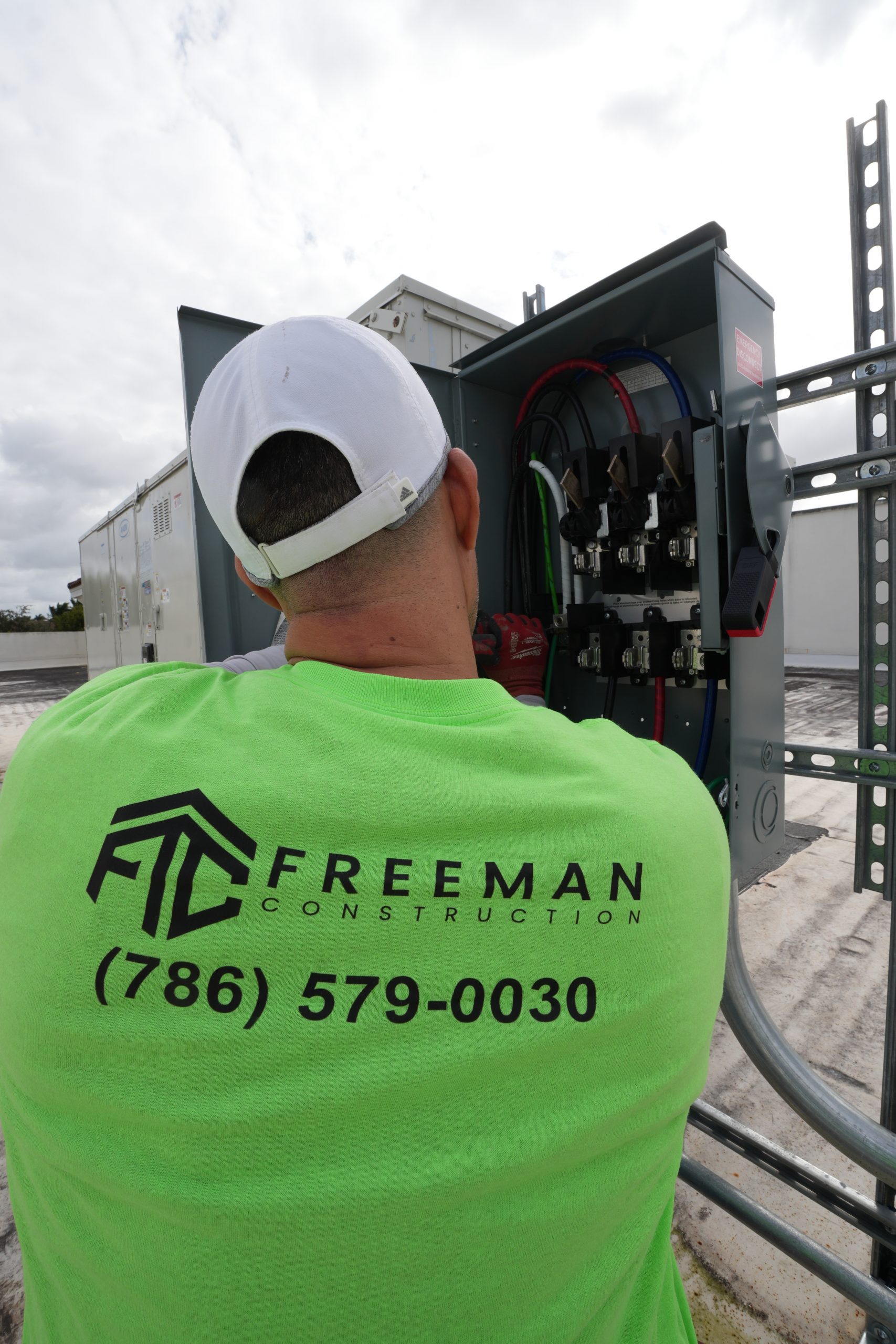
Professional crews include site cleanup in scope, but verify daily cleanup expectations and final debris removal so you’re not surprised.

Call recent clients, visit finished jobs if possible, ask about adherence to schedule and budget, cleanup, and whether punch list items were handled promptly.
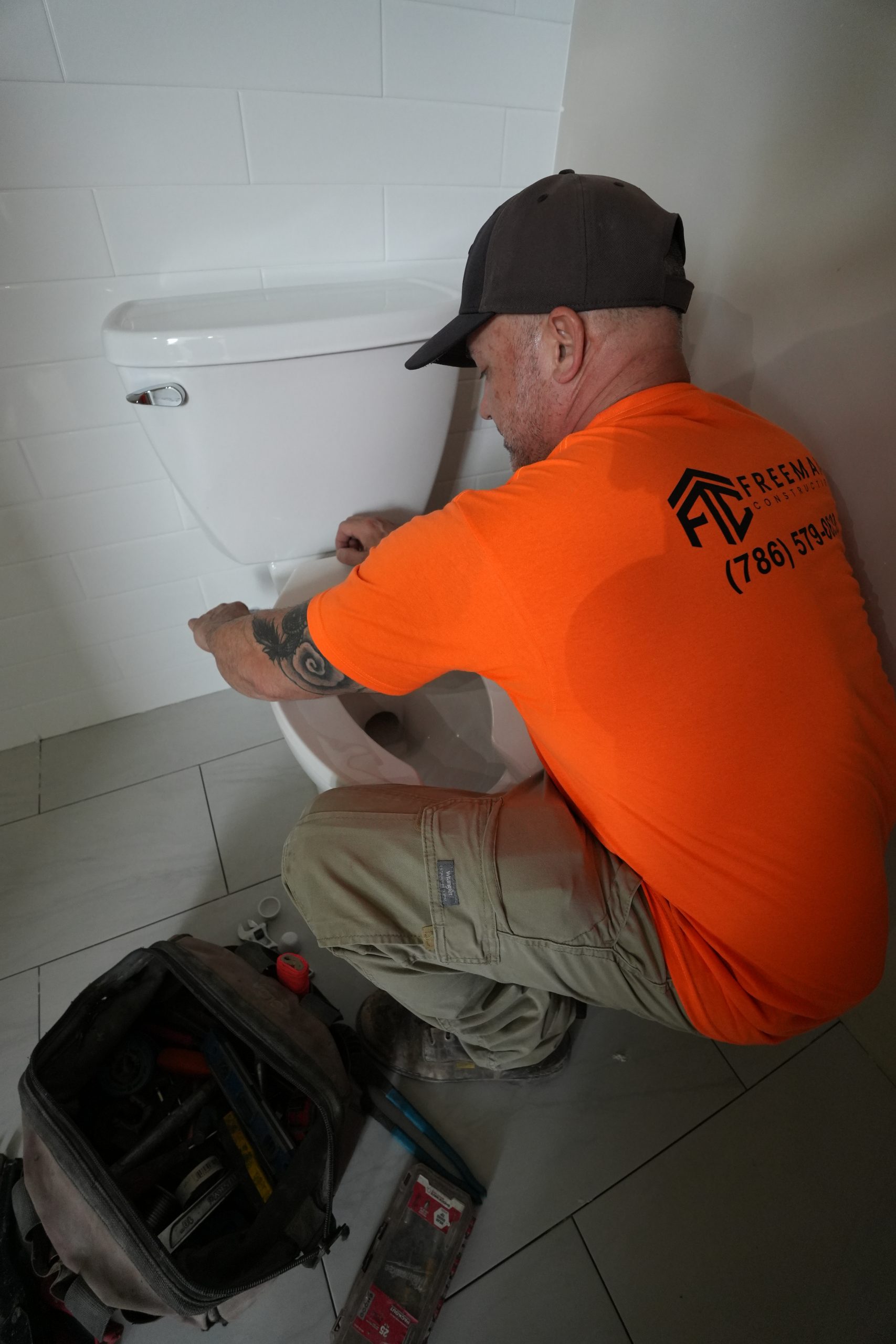
For most jobs yes — 2–4 bids gives market context. But also weigh experience, references, and proposal quality; the cheapest bid is not always the best value.
Requests for huge cash payments, no license/insurance, vague scope, reluctance to sign a contract, poor or no references, or extreme low bids with pressure to decide fast.

Raise issues immediately in writing, request a corrective plan, and use contract remedies (holdback, mediation, warranty claim). Keep records and photos of problems and communications.

You can, but it complicates liability, scheduling, and warranty. It’s cleaner to let the GC manage subs and be responsible for coordination.
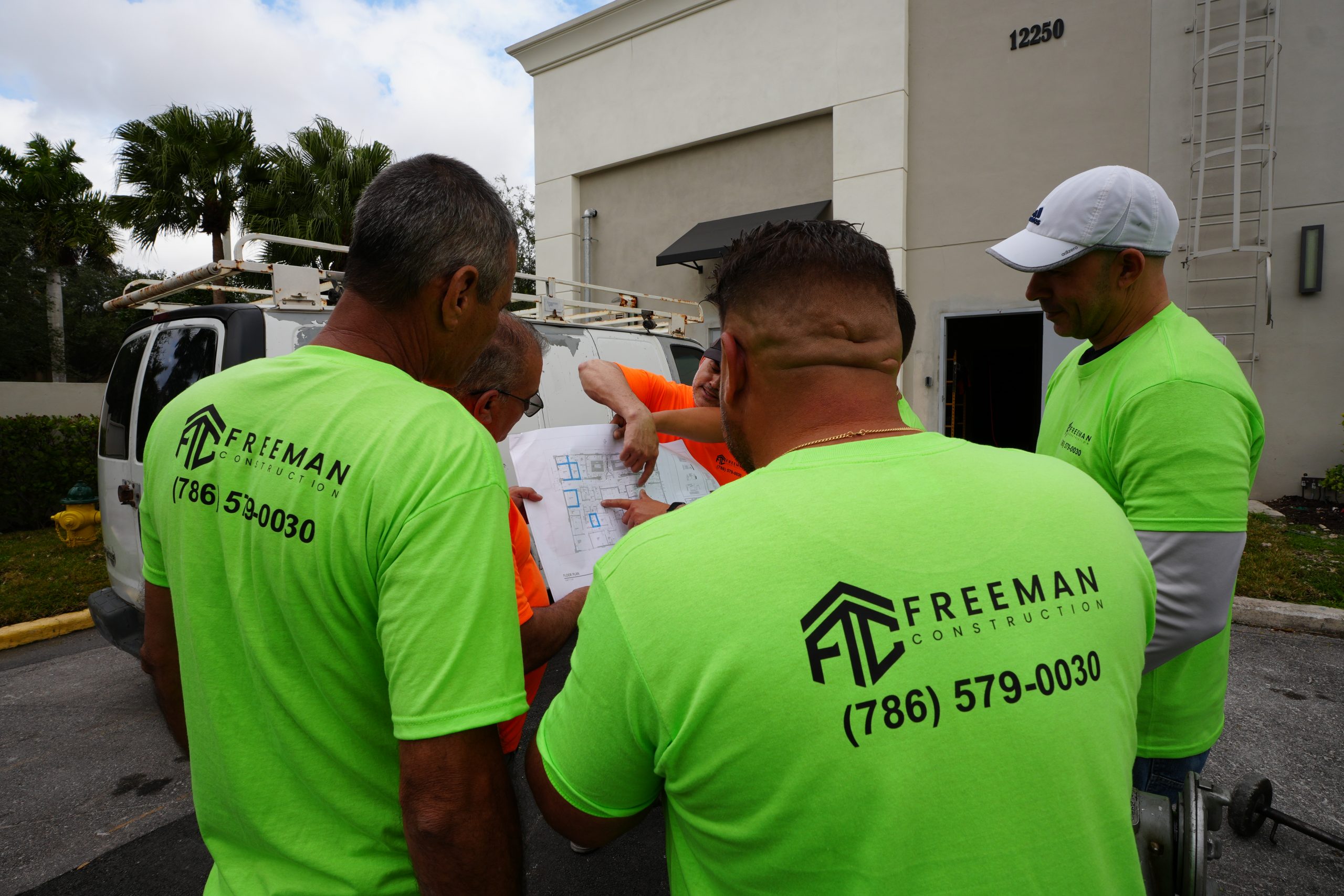
Scope of work, materials/specs, drawings if applicable, exclusions, timeline, payment schedule, change order process, insurance/license info, and warranty. If it’s missing these, ask for a revised proposal.

Define scope up front, accept realistic contingency, get multiple bids for big line items, approve change orders in writing, and stay involved for quick decisions.

Contractors typically offer a workmanship warranty (1 year common) plus coordination of manufacturer warranties for products. Get warranty terms in writing and know the claim process.

Usually the general contractor secures building permits, but confirm this and whether permit fees are included. If you handle permits, ensure you’ve agreed on timing to avoid delays.
A realistic schedule comes with the contract; expect weather, permit waits, and discovery work to add time. Ask for a timeline with major milestones and regular updates.

A change order documents any scope change after contract signing; it should state the work, cost, and schedule impact. Don’t accept verbal change orders — get everything written and signed.
The real cost depends on scope, materials, and existing conditions. The only reliable number comes after a site visit and a detailed, line-item proposal. Expect a contingency of 5–15% for surprises behind walls, especially in older homes.

A realistic timeline includes design, permits, ordering materials, construction, and inspections. Small remodels may take weeks; whole-home renovations or additions can take several months. Weather, permits, and inspections can affect timing.

Most structural, electrical, plumbing, roofing, or addition projects require permits. A professional remodeling contractor handles permits and inspections to ensure the work is code-compliant and legal.

Often yes, but it depends on scope. Kitchen, bathroom, or full-home remodels may require temporary relocation. A good contractor will plan phases, dust control, and safe access if you remain in the home.

Hidden issues like mold, rot, outdated wiring, or plumbing are common. These are addressed through documented change orders that explain the issue, cost, and schedule impact before work proceeds.

Verify licensing and insurance, review recent projects, speak with references, and insist on a written contract with clear scope, pricing, timeline, and warranties. Communication and transparency matter as much as price.
Yes. Comparing 2–3 detailed bids helps you understand market pricing. Make sure bids are comparable in scope and materials — a low bid often means corners are being cut.
A solid contract includes scope of work, plans or drawings, materials and finishes, payment schedule, timeline, permit responsibility, change-order process, warranties, and dispute resolution terms.
Payments are typically tied to milestones. A deposit starts the job, followed by progress payments, with final payment only after inspections pass and punch-list items are completed.

Yes, but changes affect cost and schedule. All changes should be documented with written change orders so there are no surprises or disputes later.

Early selections help control costs. Allowances are often used for finishes; choosing materials within those allowances keeps your budget intact. Upgrades should be approved in writing.

Quality remodels typically increase value, especially kitchens, bathrooms, additions, roofing, and energy-efficient upgrades. Over-customizing or poor workmanship can reduce ROI.
You should receive a workmanship warranty (commonly one year) plus manufacturer warranties for materials and fixtures. Get warranty details in writing before the project starts.
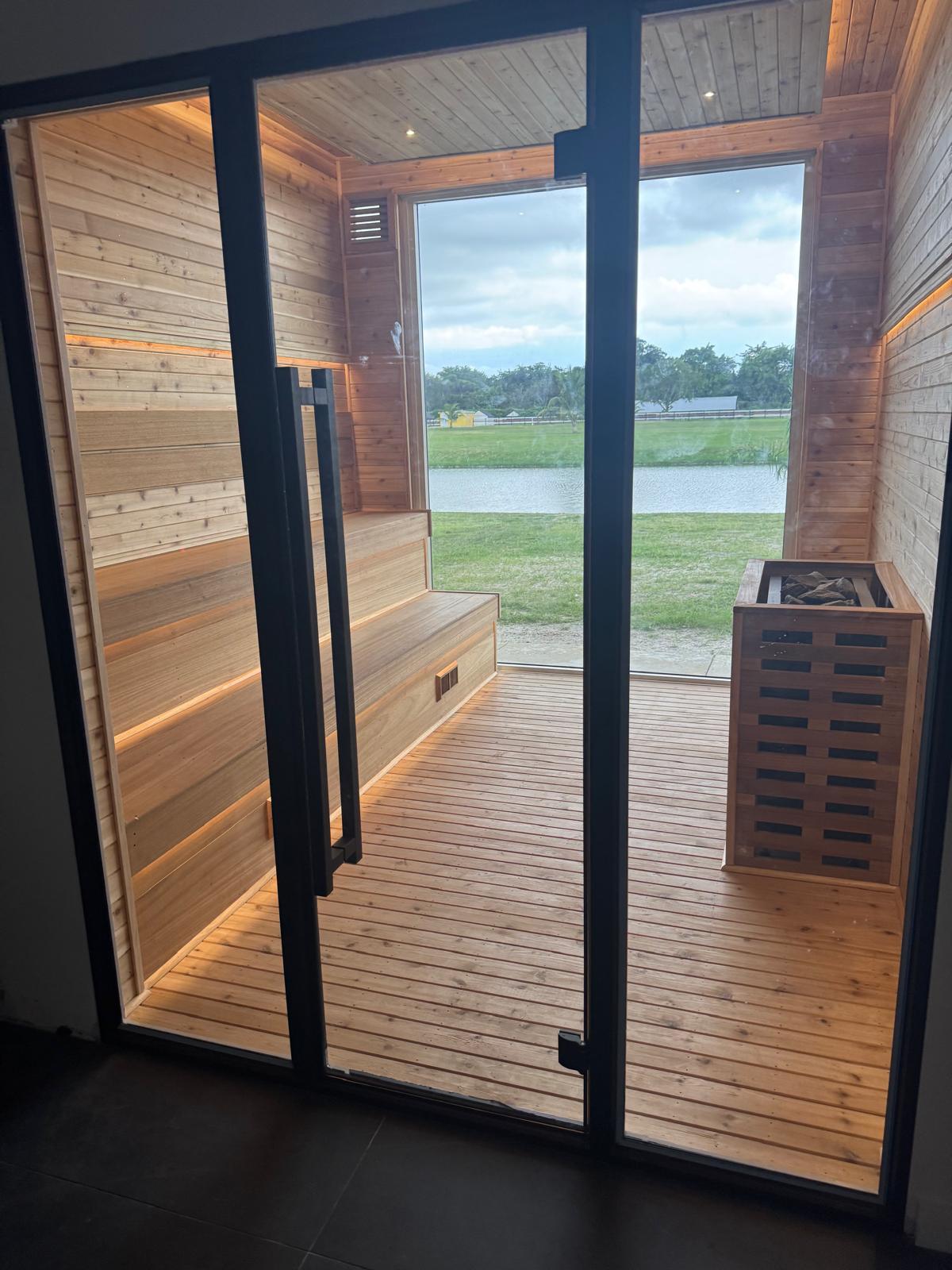
Professional contractors use dust barriers, floor protection, covered walkways, debris control, and daily cleanup. These protections should be discussed before work begins.

The remodeling contractor coordinates all trades and schedules inspections. You should have one point of contact responsible for quality, schedule, and communication.

A punch list is a final checklist of small items that need correction or completion before the project is officially finished. Final payment should only happen after punch-list completion.

Budget overruns usually come from scope changes or unforeseen conditions. A transparent contractor communicates issues early and provides options before costs increase.
Structural and roofing work requires permits, inspections, and engineering when needed. The contractor ensures the home remains weather-tight and structurally sound throughout the process.
Yes. Additions are often combined with interior remodels for efficiency. Proper planning ensures foundations, framing, roofing, and utilities integrate seamlessly with the existing home.

The best time is when you have clear goals, realistic budget expectations, and the ability to make timely decisions. Planning ahead avoids rushed choices and costly delays.

A professional contractor outlines dispute resolution in the contract, documents all work, and carries insurance to protect both parties. Clear communication, written change orders, and defined responsibilities prevent most conflicts before they start.

Not all contractors include this. You should confirm that daily cleanup, dumpster fees, debris hauling, and final job-site cleanliness are included so you’re not left with a mess or surprise charges.

Major remodeling, roofing, or additions can impact homeowner’s insurance, HOA approvals, and resale disclosures. An experienced contractor helps coordinate documentation, permits, and compliance to protect you long after the job is done.

Need Help? We Are Here
To Help You
Listos Para Trabajar con Nosotros?
.

Desarrollador líder de proyectos comerciales y residenciales